
WSSU library helping to tell story of Winston-Salem’s Union Station
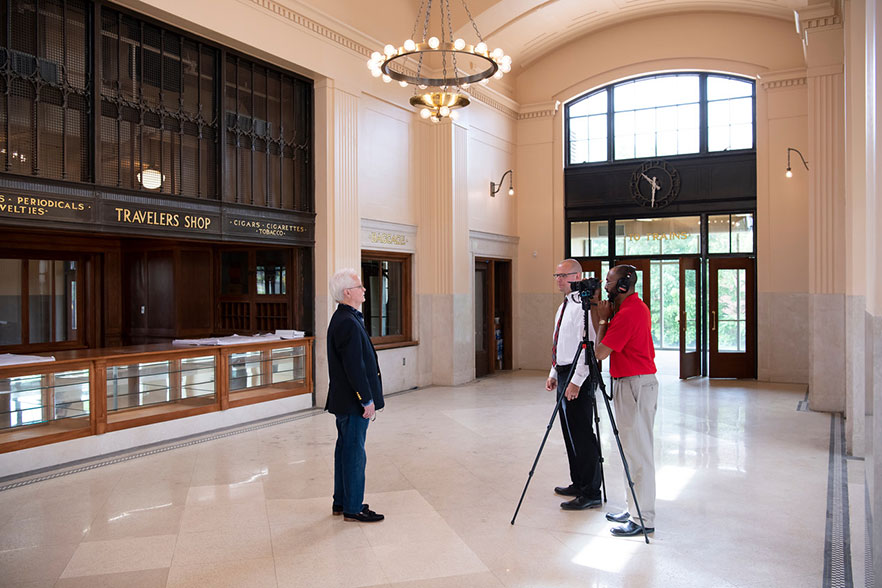
Winston-Salem State University’s C.G. O’ Kelly Library is helping tell the history of Winston-Salem’s Union Station.
Union Station, which opened in 1926, was the main source of transportation for North Carolina's largest city at the time. After passenger rail transportation ended in the city in 1970, the city sold the station, and it became Davis Garage, an auto repair shop.
After more than two years of renovations, the historic train depot, located next to WSSU’s campus on Martin Luther King Jr. Drive, has been restored back to the way it looked more than 90 years ago.
Tom Flynn, the assistant director of archives and special collections for WSSU, is leading the public history project by interviewing residents about their memories of the station. The memories will be included in a video that will premiere at the reopening ceremony. The memories also will be archived in WSSU’s library archives.
The City of Winston-Salem will hold a grand reopening for Union Station on Sept. 7. Planning for event is being led by Annette Scippio, City Council member for the East Ward.
Share Your Memories
Residents who have memories or stories about working or being in Union Station, or who know of people who do, are encouraged to contact Flynn by email at flynnth@wssu.edu or 336-750-2426.
Interviews are being recorded at Union Station.
About Winston-Salem State University
Winston-Salem State University fosters the creative thinking, analytical problem-solving, and depth of character needed to transform the world. Rooted in liberal education, WSSU’s curriculum prepares students to be thought leaders who have the skills and knowledge needed to develop innovative solutions to complex problems. Founded in 1892, WSSU is a historically Black constituent institution of the University of North Carolina with a rich tradition of contributing to the social, cultural, intellectual, and economic growth of North Carolina, the region and beyond. Guided by the motto, “Enter to Learn, Depart to Serve,” WSSU develops leaders who advance social justice by serving the world with compassion and commitment.
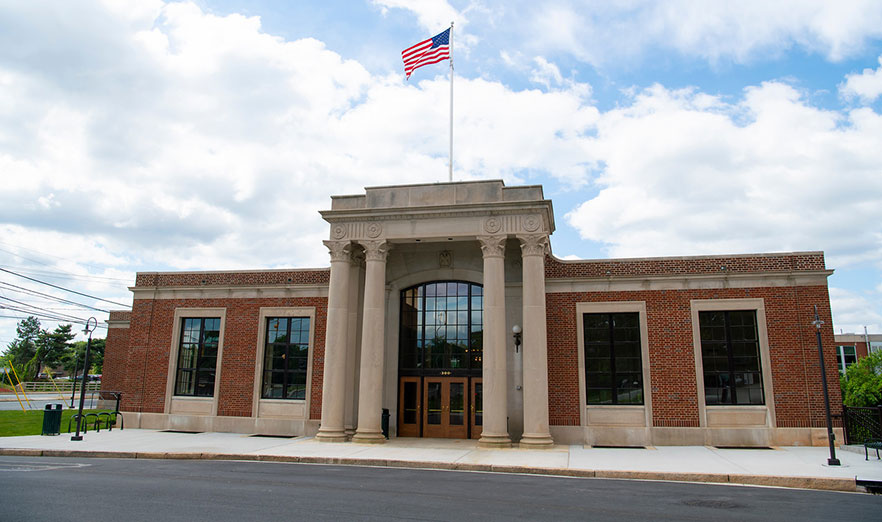
After more than two years of renovations, Union Station has been restored back to the way it looked when it opened in 1926.